Spark Study Case: Campanile Hotel in Suresnes
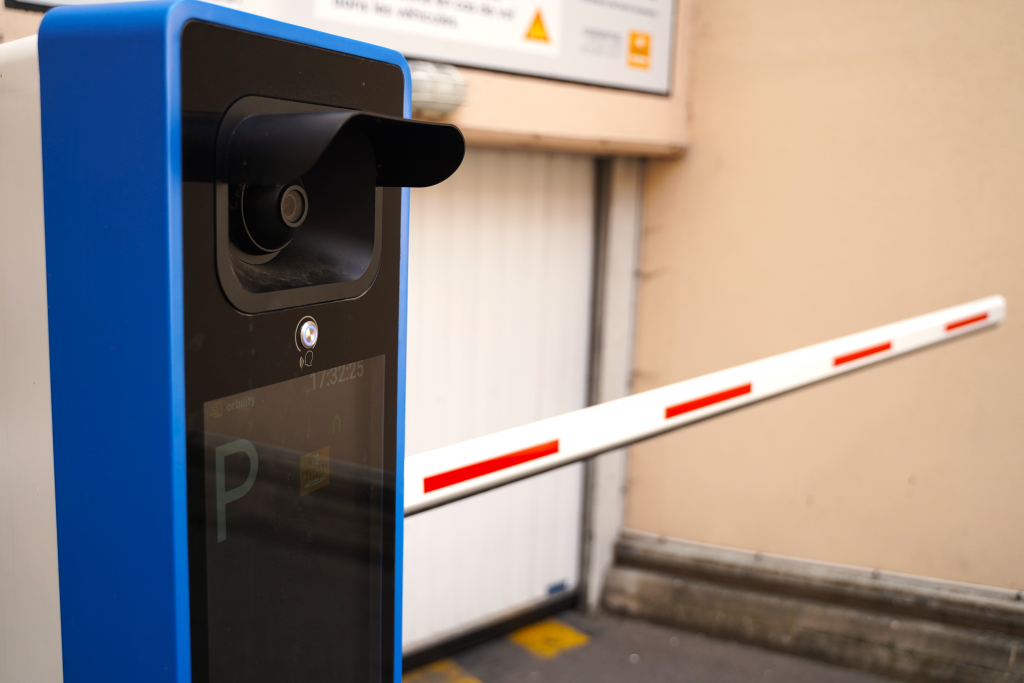
In just days, the hotel replaced its outdated system with SPARK — a digital, ticketless, and cashless solution that improved operations and guest experience, all without upfront investment.
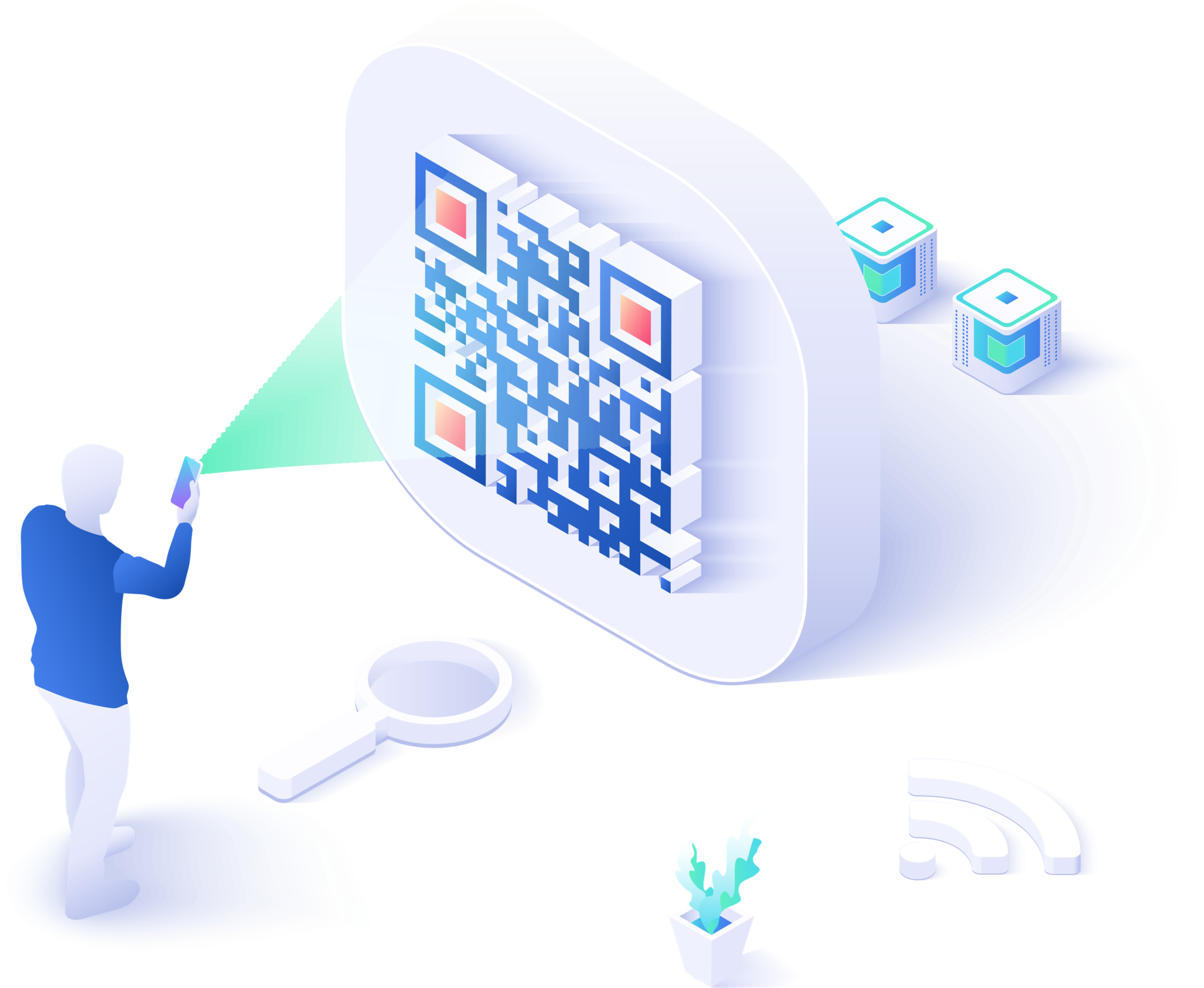
QR codes entered the parking industry as a pragmatic fix: a fast way to accept digital parking payments without installing new kiosks or forcing drivers to download an app. For small sites, temporary capacity, or assets under cashless policies, a QR code parking payment page was an elegant shortcut, easy to deploy, inexpensive to maintain, and intuitive for drivers who already live on their phones.
Yet the first wave of QR implementations exposed clear limits. A code on a poster can collect money, but it doesn’t automatically know which session it belongs to, how to apply validations or discounts consistently, or when to authorize a barrier to open. Operators began to ask for something more structured: the same app-free simplicity for drivers, but with ticketless parking logic, reliable session matching, and a cloud parking system that keeps tariffs, receipts, and analytics in one place.
That demand is what gave rise to Scan & Pay.
For asset owners and municipalities, the appeal is less about novelty and more about operating discipline. Replacing or reducing kiosks lowers CAPEX and trims cash handling and field interventions; rolling out a new site or an overflow lot becomes a configuration task rather than a civil-works project; and the customer experience improves immediately because the line disappears and the phone becomes the interface. At portfolio scale, the benefits compound: pricing experiments can be pushed centrally, tenant validations become digital and measurable, and support teams resolve disputes with a searchable audit trail rather than a drawer of paper stubs.
These advantages don’t require a heavy technical lift to understand. Scan and pay parking simply moves the payment moment into a managed, data-producing flow that operators can monitor, adjust, and report on while remaining app-free for the driver.
Once Scan & Pay is in place, it naturally connects to the rest of a smart parking solution. Subscriptions and AutoPay use the same account and card-on-file to let frequent users exit automatically; Pre-Booking merges the reservation with the on-arrival session so there is one, continuous journey; EV charging can share checkout and receipts so customers don’t juggle two payments; and open APIs make it straightforward to appear in a city app or a corporate mobility wallet. What began as a scan becomes the front door to a modern, digital parking payments platform.
QR payments were a useful first step, but the real value is Scan & Pay a simple, app-free way to deliver digital parking payments that are faster for drivers and lighter for operations. By connecting the checkout to a cloud parking system and the parking management system (PMS) with LPR, operators get a truly ticketless parking journey, real-time control, and clear analytics. The result is a contactless experience that reduces queues and hardware costs while unlocking smarter pricing, validations, and reporting across a portfolio. If you’re ready to modernize without rebuilding, Orbility PULSE | Scan & Pay brings it all together. Hosted checkout, secure gateways, instant exit authorization, and live insight so you can scale digital payments with confidence.
In just days, the hotel replaced its outdated system with SPARK — a digital, ticketless, and cashless solution that improved operations and guest experience, all without upfront investment.
Orbility unveils its Global Partners Program to boost international growth, following a 3-day event in Paris with partners and product showcases.
Orbility unveils Pulse, a suite of digital tools built to help parking operators modernize their workflows and improve the parking experience.

We value your privacy! This website use cookies and similar technologies to ensure our website functions properly, improve user experience, and analyze traffic. You can manage your cookie preferences, accept all cookies, or reject non-essential ones. Your choices may impact site performance.
Your choices may affect some site features.